
Behind the Scenes
More Time to Create: Why We Built Glowing Star
18 OCT 2026 · 6 min read
Behind every original piece is a pile of work nobody sees. We started Glowing Star so creators could spend more time creating, and stop carrying the business side alone.
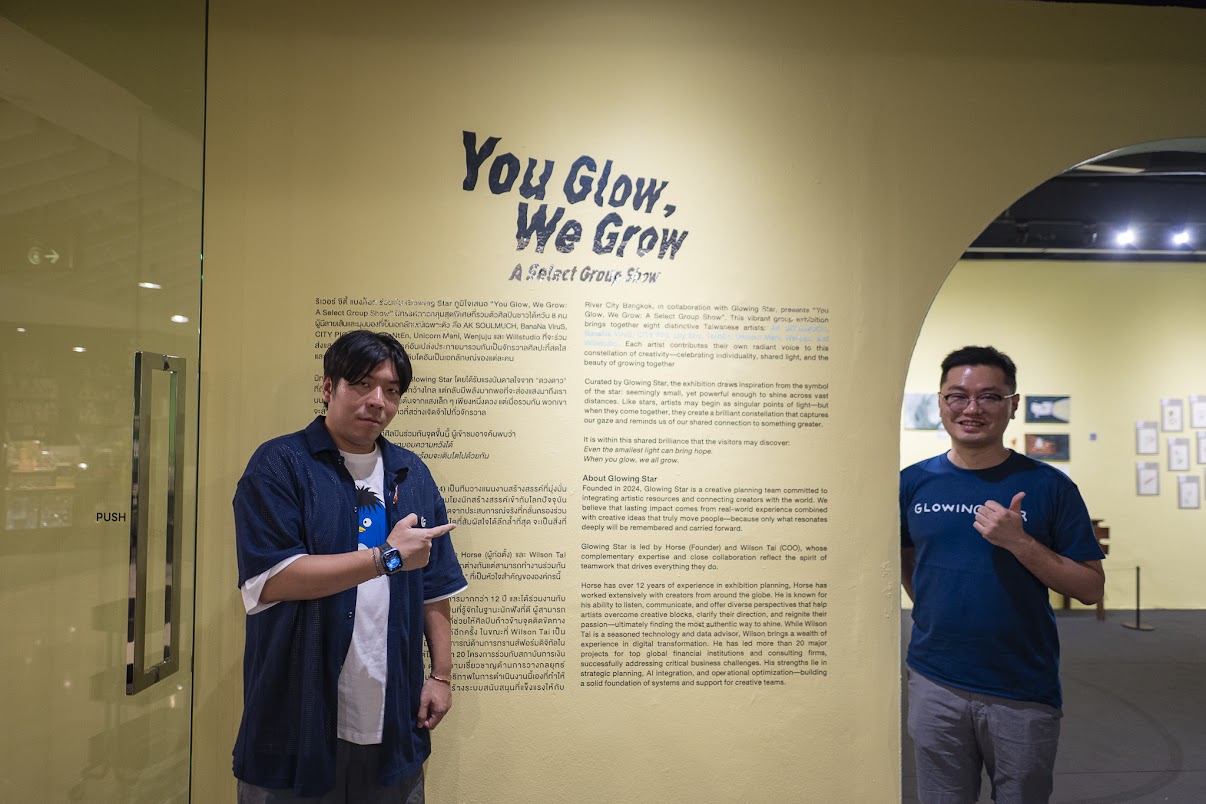
Every character starts somewhere. A sketch in a notebook. An odd idea on a quiet afternoon. A small handmade object that slowly takes on a personality.
Over time it becomes a character, then a collection. One day someone on the other side of the world finds it, falls for it, and takes a piece of it home.
We love that part. There's another side to it, though, one that rarely shows up in photos or on social media: everything a creator has to do just to keep creating.
That side is a big reason we started Glowing Star.
The second job
Most independent creators are also their own marketing team, customer service, shipping department, product manager and sales lead.
An exhibition invite means filling out an application, putting together product info, arranging shipping, planning stock and answering the organiser's questions. A brand gets in touch, and someone has to look at the offer, talk terms and follow up. A new collection is finished, and it still needs photos, descriptions, listings and posts telling people it exists.
Usually, that someone is the creator.
All of it matters. It's how the work reaches people. It also eats into the one thing every creator is short on: time.
And the more a creator grows, the more of this work piles up. People fall in love with someone's art, the business around it takes off, and suddenly there's less time to make the art that started it all.
We think there's a better way to do this.
You don't have to do it all alone
Glowing Star started from a simple idea: creators should be able to focus on what they're best at without having to become experts in everything else.
Some artists enjoy negotiating with suppliers, planning overseas shows or writing proposals. Plenty would rather spend that time drawing the next character, trying a new material or finishing a collection they've been thinking about for months. Either is fine. What matters is that they get to choose.
So we set out to give creators a partner they can trust, someone who understands where their work is going and can share the load of running a creative business.
Sometimes that means planning an exhibition or preparing for a collaboration. Sometimes it means sitting down together to figure out what comes next. A lot of the time it's ordinary stuff: an email that needs a reply, a document that needs preparing, a shipment that has to arrive on time.
None of those tasks is big on its own. Together they take up a surprising amount of headspace, and we'd like creators to have more of that headspace back.
People first
Creative work is personal. A character is much more than a stock number. It might carry years of experiments, memories and influences that are hard to sum up in a sentence.
So supporting a creator starts with getting to know them.
Every creator we work with has a curator or operating partner who takes the time to understand their work, goals, preferences, and the things they won't compromise on. That person helps turn ideas into plans, and speaks up for the creator when dealing with event organisers, brands and other partners.
When an opportunity comes up, we don't just say yes. We help the creator work out whether it fits, what it would take, and how to go about it while staying true to their direction. Good support should leave a creator feeling more in control of their work.
There's no single plan, either. Some creators want to reach collectors in new cities. Some are trying their first collaboration. Some are still figuring out what kind of business they want. We start from where each person is.
Where technology comes in
Doing all of this by hand has limits. Tracking deadlines, coordinating shows, preparing documents and keeping up with messages gets repetitive, even for an experienced team. And the workload grows with every creator who joins.
That's where technology can help. Behind the scenes, we're building what we call Creator OS: a set of tools and routines for the people who support our creators. Creators don't need to learn any new software. It works in the background.
The goals are simple:
- Important messages shouldn't get lost across different chats.
- Tasks we do again and again shouldn't start from scratch every time.
- What we learn at one exhibition should make the next one easier.
AI helps us sort information, draft documents, keep track of tasks and find what we need quickly. Decisions stay with people. Creative judgment, trust and important business calls belong to the humans involved.
We're building this step by step, from the work we actually do.
Learning on the exhibition floor
Exhibitions are where all of this gets tested.
Visitors see the finished booth, the products and the people talking about them. They don't see the weeks of shipping, product lists, layout plans and staff briefings behind it.
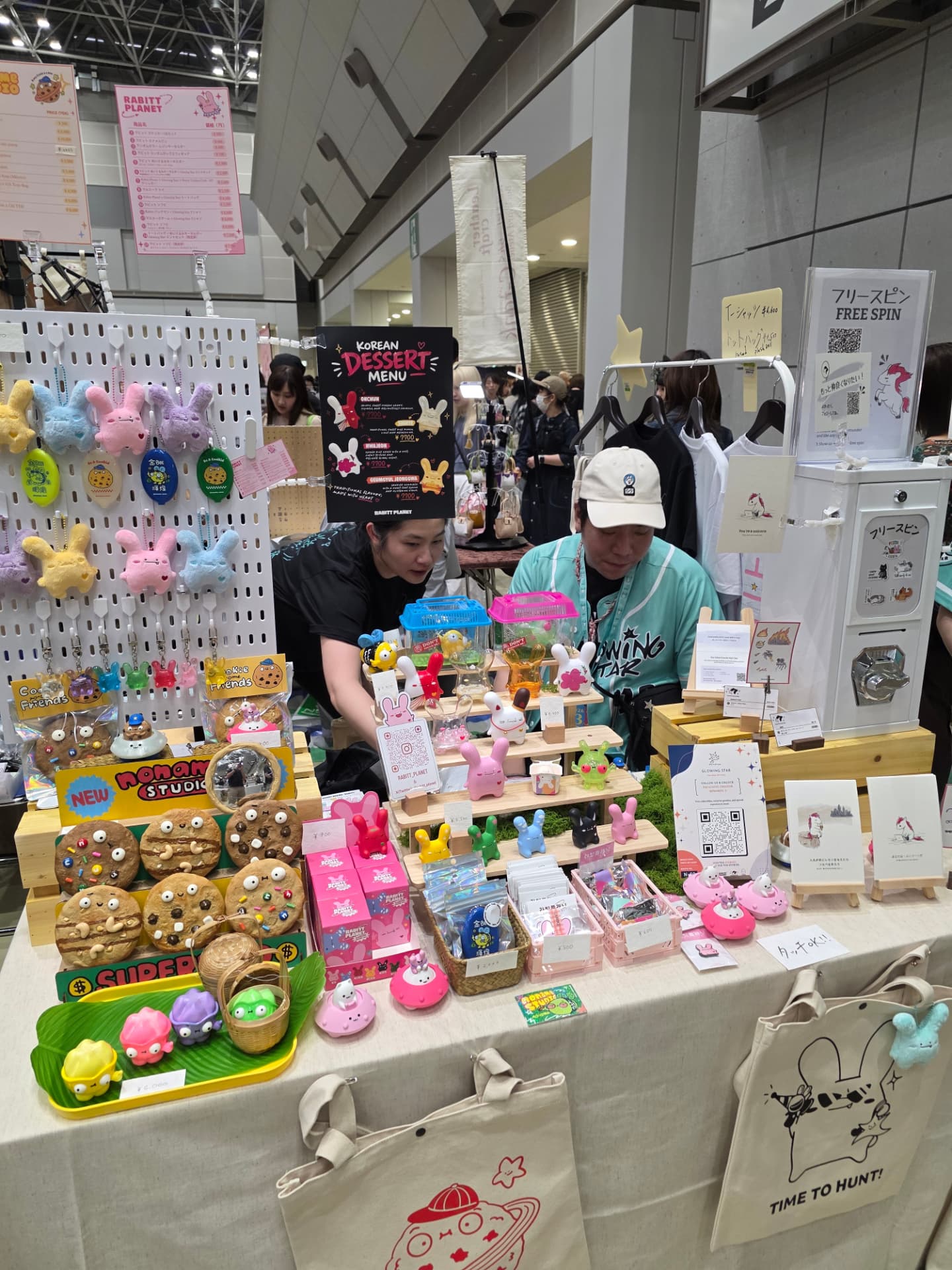
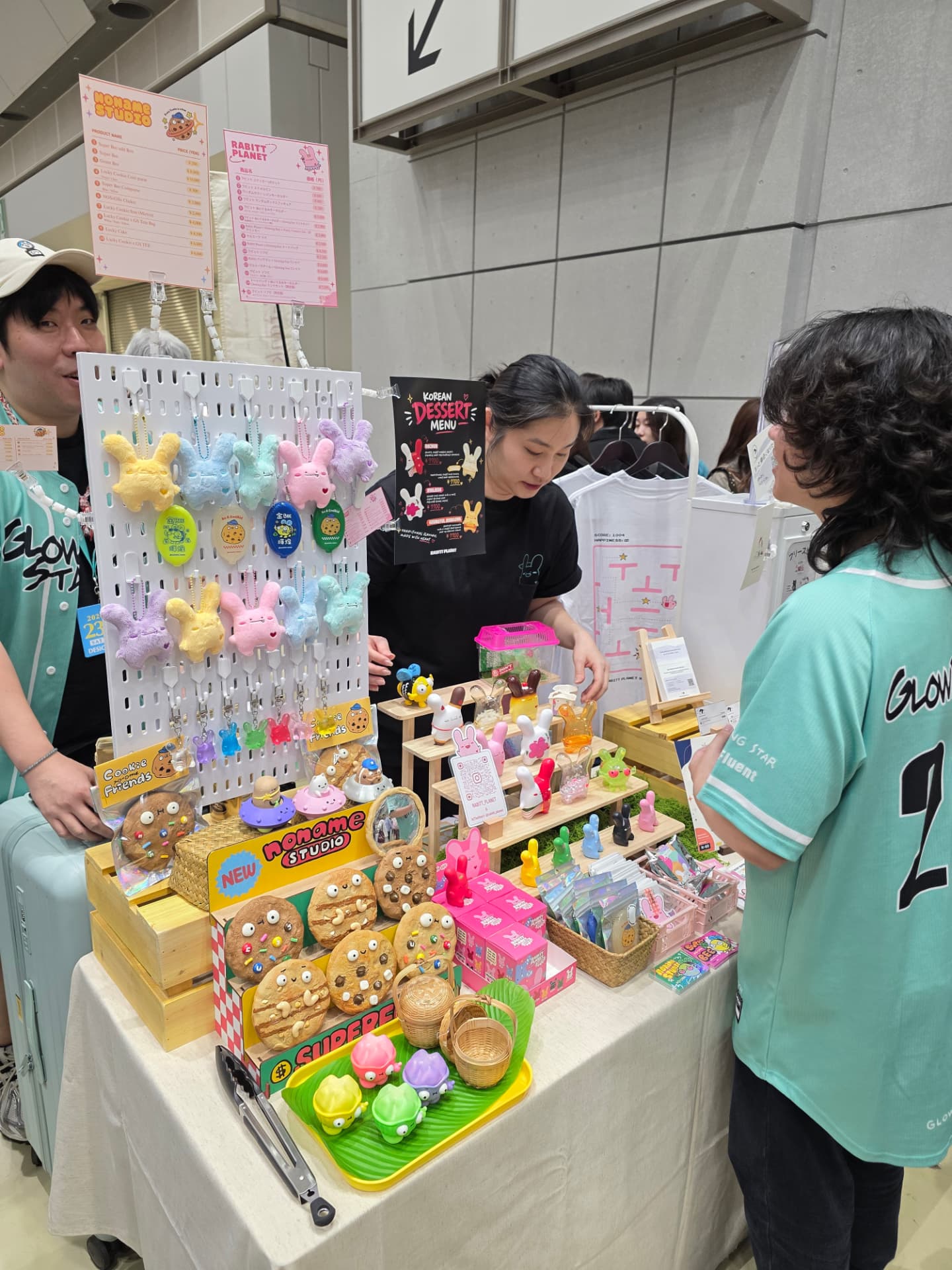
However well we plan, the floor always teaches us something new. At events like Design Festa, we watch which displays catch people's eye, what confuses them, and what makes them curious enough to ask a question.
Those notes change how we prepare next time. Sometimes it's a better checklist. Sometimes it's a clearer way to tell a character's story, so staff can introduce it with confidence even when the creator can't be there.
Every show is different, and we like it that way. We just don't want creators solving the same practical problems from scratch every time.
More room to create
There's no single right way to be a creator. Some want to build a character brand known around the world. Others want a small, steady practice that lets them keep making things they love. Both deserve support.
For us, success goes beyond the number of shows or products sold. We want to know whether a creator feels freer to experiment, more confident about new opportunities, and has more time for their next piece.
That's what we're working toward: independent creators growing without having to become full-time business managers, with real relationships at the centre and better systems making the work behind them lighter.
We run the business, so the creators can create.
That's why we built Glowing Star. And we're only getting started.
You Glow, We Grow.
More stories
Stay close to the work
Creator updates, product drops, exhibitions and new stories, in one quiet email.